Youthful Mind, Timeless Glow: How Inner Calm Slows Aging
Aging isn’t just about wrinkles—it’s deeply tied to how we manage stress and emotions. I used to think anti-aging was all about creams and diets, until I noticed real changes after calming my mind. Less anxiety, better sleep, more energy—my skin and mood improved in ways no product could. Turns out, science backs this: chronic stress speeds up aging, while mental balance helps slow it. The body doesn’t age in isolation; it responds to the signals it receives from the mind. When tension dominates daily life, the body ages faster at a cellular level. But when inner calm is nurtured, something remarkable happens—time seems to soften its grip. This isn’t about turning back the clock, but about creating conditions where vitality can endure. What if the most powerful anti-aging tool isn’t found in a bottle, but in the quiet space between thoughts?
The Hidden Accelerator of Aging: Stress and Emotional Wear
While sun exposure and genetics are often blamed for visible aging, a less visible but equally powerful force operates beneath the surface: chronic stress. Unlike short bursts of stress that help us respond to immediate challenges, long-term emotional strain keeps the body in a prolonged state of alert. This constant activation triggers the release of cortisol, a hormone designed for survival but harmful when present in excess over time. Elevated cortisol levels have been linked to the breakdown of collagen and elastin—proteins essential for skin firmness and elasticity. As these structural supports weaken, fine lines deepen and skin loses its bounce, not just from sun damage, but from internal chemical shifts.
Beyond the skin, cortisol impacts the immune system, making the body more vulnerable to inflammation and slower to heal. Research from the University of California has shown that individuals under persistent psychological pressure exhibit shorter telomeres—protective caps at the ends of chromosomes that naturally shorten with age. When telomeres erode too quickly, cells age prematurely and lose their ability to divide and regenerate. One study found that women experiencing high levels of stress had telomere lengths equivalent to at least one decade of additional aging compared to their calmer peers. This biological evidence underscores that emotional strain doesn’t just make you feel older—it can make your cells behave as if they are.
The effects of stress are not limited to physical markers. Emotional wear also disrupts sleep patterns, reduces energy, and impairs concentration. Many women in their thirties to fifties report feeling “worn out” despite maintaining healthy diets or skincare routines. This exhaustion often stems from an overactive nervous system that never fully switches off. The body remains in fight-or-flight mode, even when no real danger is present. Over time, this internal state accelerates the aging process across multiple systems—cardiovascular, metabolic, and cognitive. Recognizing stress as a biological accelerant shifts the conversation from cosmetic concerns to holistic health.
Understanding this connection empowers a new approach to aging. Instead of focusing solely on external remedies, it becomes clear that managing emotional well-being is a critical component of longevity. The goal is not to eliminate stress entirely—this is neither possible nor desirable, as some stress supports growth and adaptation. Rather, it’s about restoring balance, allowing the body periods of true recovery. When the nervous system is given the chance to rest, repair processes resume, inflammation decreases, and cellular aging slows. This foundational insight sets the stage for a more sustainable, science-backed path to graceful aging.
Reframing Anti-Aging: From Skincare to Mind Care
For decades, the anti-aging industry has centered on topical solutions—creams, serums, peels, and invasive procedures promising to erase years from the face. While some of these products offer temporary improvements, they often fail to address the root causes of aging. A growing body of research suggests that lasting vitality begins not with what we apply to the skin, but with what we cultivate within the mind. When the brain is in a state of chronic stress, no amount of hyaluronic acid or retinol can fully counteract the internal damage occurring at the cellular level. True resilience comes from nurturing mental calm, which supports the body’s natural ability to regenerate and protect itself.
Mind care is not a substitute for healthy habits like nutrition or exercise; rather, it enhances them. A calm nervous system improves blood flow, delivering oxygen and nutrients more efficiently to the skin and organs. It also reduces systemic inflammation, a key driver of both visible aging and chronic disease. Studies published in psychoneuroimmunology journals have demonstrated that individuals who practice regular mental wellness techniques show lower levels of C-reactive protein, a marker of inflammation linked to heart disease, arthritis, and skin aging. This means that peace of mind isn’t just emotionally comforting—it has measurable physiological benefits.
Shifting focus from external fixes to internal balance does not require dramatic lifestyle changes. It begins with recognizing that psychological well-being is not a luxury, but a biological necessity. The brain and body are in constant communication, and when the mind is at ease, the body interprets this as safety. In this state, energy is redirected from survival mode to maintenance and repair. Collagen production increases, wound healing accelerates, and hormonal balance improves. These changes manifest not only in clearer skin and brighter eyes but in sustained energy, better digestion, and improved sleep quality—hallmarks of true vitality.
This reframe transforms how we view self-care. Instead of seeing mindfulness or emotional regulation as optional “feel-good” practices, they become essential components of a longevity strategy. Just as we brush our teeth to prevent decay, we can train our minds to prevent premature aging. The most effective anti-aging routine may not include a single product, but rather a daily commitment to mental clarity and emotional stability. By prioritizing mind care, women can create a foundation where beauty is not masked, but naturally expressed through health.
The Power of Present-Moment Awareness (Mindfulness Made Simple)
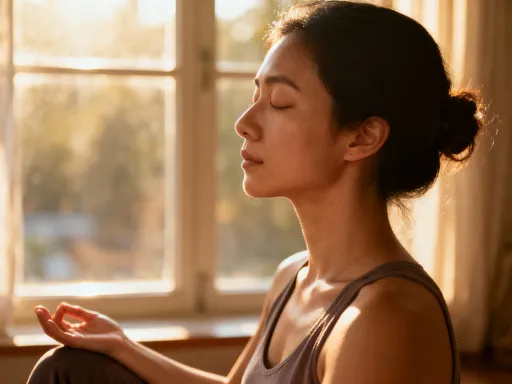
Mindfulness is often misunderstood as a practice reserved for monks or meditation experts, requiring hours of stillness and silence. In reality, mindfulness is simply the act of paying attention to the present moment without judgment. It can be practiced in as little as two minutes a day and woven into everyday activities. The core principle is gentle awareness—returning attention to the breath, the sounds around you, or the sensations in your body whenever the mind drifts into worry or rumination. For many women juggling family, work, and personal responsibilities, this small shift can bring profound relief.
When I first began practicing mindfulness, I noticed how quickly my thoughts spiraled into future anxieties or past regrets. Simply observing this pattern without trying to fix it created a sense of distance from my thoughts. Over time, I became less reactive to stressful situations. Instead of immediately responding with tension or frustration, I learned to pause. That pause, however brief, allowed my nervous system to reset. Research supports this experience: regular mindfulness practice has been associated with increased telomerase activity, the enzyme responsible for maintaining telomere length. Longer telomeres are linked to slower cellular aging and improved longevity.
One of the most accessible ways to integrate mindfulness is through routine activities. While walking, for example, you can focus on the sensation of your feet touching the ground, the rhythm of your breath, or the sounds of birds or traffic. During meals, you can pay attention to the taste, texture, and smell of food, eating more slowly and mindfully. Even waiting in line at the grocery store can become an opportunity to check in with your body and breathe deeply. These moments of presence accumulate, training the brain to stay grounded rather than scattered.
What makes mindfulness sustainable is its simplicity. It does not require special equipment, apps, or retreats. It is not about achieving a blank mind, but about cultivating awareness. Over time, this practice strengthens the prefrontal cortex—the part of the brain responsible for decision-making and emotional regulation—while reducing activity in the amygdala, the center of fear and stress responses. As this neural shift occurs, the body produces less cortisol and more feel-good chemicals like serotonin and dopamine. The result is not just mental clarity, but a visible softening of facial tension, brighter eyes, and a more relaxed demeanor—signs of a body no longer trapped in survival mode.
Emotional Detox: Letting Go of Mental Clutter
Just as a cluttered home can feel overwhelming, a mind filled with unresolved emotions creates invisible weight. Holding onto grudges, replaying past conflicts, or worrying excessively about the future generates mental noise that affects physical health. This emotional clutter keeps the stress response active, even in the absence of immediate threats. Over time, it contributes to muscle tension, headaches, fatigue, and disrupted sleep—all of which accelerate aging. Learning to release these stored emotions is not about suppressing feelings, but about processing them in healthy, constructive ways.
One of the most effective tools I discovered was journaling. Each evening, I would write freely about what weighed on my mind—without filtering or editing. Sometimes it was frustration with a family member, other times anxiety about responsibilities. After writing, I would tear up the page or close the notebook, symbolically releasing the thoughts. This simple ritual created a sense of closure. Over weeks, I noticed a reduction in shoulder tension and fewer nighttime awakenings. Research supports this practice: expressive writing has been shown to improve immune function, reduce blood pressure, and enhance emotional regulation.
Emotional detox is not about denying difficult feelings, but about creating space for them to move through rather than stay stuck. When emotions are acknowledged and expressed in safe ways, they lose their power to disrupt the body’s balance. Suppression, on the other hand, forces emotions underground, where they continue to exert influence. Studies have found that people who habitually suppress emotions have higher levels of inflammation and slower recovery from stress. By contrast, those who process emotions openly—whether through writing, talking, or creative expression—show greater psychological resilience and better physical health.
The goal is not to eliminate all negative emotions—this is neither realistic nor healthy. Sadness, anger, and fear are natural parts of life. What matters is how we relate to them. When we allow ourselves to feel without becoming overwhelmed, we build emotional agility. This flexibility protects against the wear and tear of chronic stress. Just as physical detox involves clearing toxins, emotional detox involves releasing mental burdens that no longer serve us. The result is a lighter mind and a more vibrant body, both of which age more gracefully.
Gratitude as a Daily Tune-Up
Gratitude is often dismissed as a feel-good habit with no real impact. But neuroscience reveals that regularly focusing on what we appreciate can rewire the brain for resilience. When I began listing three small things I was grateful for each night—a warm cup of tea, a kind message, the sound of rain—I noticed a subtle shift. My mind, once wired to scan for problems, started noticing moments of comfort and connection. This didn’t erase life’s challenges, but it changed my baseline mood. Over time, I felt calmer, more grounded, and less reactive to daily stressors.
The biological benefits of gratitude are well documented. Studies have shown that people who practice gratitude regularly experience lower levels of inflammatory markers such as interleukin-6, which is linked to aging and chronic disease. They also show improved heart rate variability, a measure of the nervous system’s ability to adapt to stress. Higher heart rate variability is associated with better cardiovascular health, emotional regulation, and longevity. These changes occur because gratitude activates the parasympathetic nervous system, the body’s “rest and digest” mode, counteracting the effects of chronic stress.
What makes gratitude sustainable is its simplicity and adaptability. It doesn’t require grand gestures or elaborate rituals. A mental list before bed, a few notes in a journal, or a quiet moment of reflection can be enough. The key is consistency and authenticity—focusing on genuine moments of appreciation rather than forcing positivity. Over time, this practice strengthens neural pathways associated with well-being, making it easier to access calm and contentment even during difficult times.
For women managing busy households and complex responsibilities, gratitude offers a quiet anchor. It shifts attention from what’s lacking to what’s already present, fostering a sense of abundance. This mindset doesn’t deny hardship, but it prevents it from dominating perception. As the brain becomes trained to notice the good, emotional resilience grows. And as the body experiences fewer stress surges, the aging process slows. Gratitude, in this way, becomes not just a mood booster, but a biological tune-up—a small daily act with lasting anti-aging benefits.
Building a Supportive Inner Dialogue
The way we speak to ourselves shapes our emotional and physical reality. Harsh self-criticism—phrases like “You should have done better” or “Why can’t you get this right?”—triggers the same stress response as external threats. Each negative thought sends a signal to the body that something is wrong, increasing cortisol and keeping the nervous system on high alert. Over time, this internal dialogue wears down mental and physical health, contributing to fatigue, anxiety, and accelerated aging. Changing this pattern begins with awareness—recognizing when the inner voice turns critical and choosing to respond with kindness instead.
I began to notice how often I judged myself for small mistakes—a forgotten appointment, a rushed response to a child. Once I became aware of these thoughts, I started replacing them with more compassionate statements: “You’re doing your best,” or “It’s okay to make mistakes.” At first, it felt unnatural, even silly. But with repetition, the new phrases began to feel more authentic. This shift didn’t lower my standards; it simply removed the emotional punishment that came with falling short. Research shows that self-compassion reduces psychological distress and improves emotional regulation, creating a calmer internal environment where healing and growth can occur.
Self-compassion is not self-indulgence. It is the recognition that being human means being imperfect. When we treat ourselves with the same kindness we would offer a friend, we reduce the intensity of stress responses. Studies have found that individuals with higher levels of self-compassion have lower cortisol levels, better sleep quality, and greater resilience in the face of challenges. They also report higher life satisfaction and a stronger sense of well-being. These emotional benefits translate into physical ones, as a gentler inner dialogue supports hormonal balance and cellular repair.
Developing a supportive inner voice takes practice. One effective method is to pause when self-criticism arises and ask, “Would I say this to someone I love?” If the answer is no, reframe the thought with care. Over time, this habit rewires the brain’s default responses, replacing harshness with understanding. As the mind becomes a safer place, the body follows. Tension eases, energy returns, and the signs of stress-related aging begin to fade. True anti-aging, in this sense, starts with how we treat ourselves in private moments—when no one is watching, but everything is changing.
Making It Stick: Small Rituals, Lasting Change
Lasting transformation rarely comes from drastic overhauls. More often, it emerges from small, consistent actions that become part of daily life. I learned this through trial and error. At first, I tried to meditate for twenty minutes a day, journal for fifteen, and practice gratitude with perfect discipline. When I inevitably missed a day, I felt like a failure. That pressure only added to my stress. Then I shifted my approach: I created a simple five-minute evening routine that combined mindfulness, gratitude, and self-compassion. No apps, no timers, no pressure—just presence. This tiny ritual, repeated most nights, made a bigger difference than any intense program ever did.
The key to sustainability is designing practices that fit into real life. For a busy woman, adding another task to an already full schedule is unsustainable. Instead, integrating mental wellness into existing routines works better. Mindful breathing while waiting for the kettle to boil. Gratitude while folding laundry. A moment of self-kindness during a bathroom break. These micro-moments accumulate, creating a cumulative effect on the nervous system. Over time, they retrain the brain to default to calm rather than chaos.
Progress, not perfection, is the goal. Some days will be easier than others. There will be weeks when even five minutes feels impossible. That’s okay. The intention matters more than the execution. Each time you return to the practice, you strengthen the habit. And each time you choose calm over criticism, presence over panic, you send a signal to your body that it is safe. In that safety, repair begins. In that stillness, aging slows.
True anti-aging is not about resisting time, but about aligning with it. It’s about creating the internal conditions where vitality can flourish. When stress is reduced, emotions are processed, and the mind is trained in peace, the body responds with resilience. Skin glows not from chemicals, but from circulation. Energy flows not from caffeine, but from balance. And the years pass not as a decline, but as a deepening—a life lived with awareness, care, and quiet strength. The most timeless beauty is not the absence of age, but the presence of calm. And that is something we can all cultivate, one breath, one thought, one moment at a time.