How I Reset My Mood in Just 5 Minutes—No Therapy Needed
Ever feel overwhelmed by stress or sudden mood swings? You're not alone. I used to get hijacked by emotions daily—until I discovered simple, science-backed lifestyle tweaks that changed everything. These aren’t magic fixes, but real, doable shifts anyone can try. In this article, I’ll walk you through the exact strategies that helped me regain emotional balance quickly and naturally, all through small changes in how I move, think, and live. What once felt like an uphill battle now feels manageable, even empowering. The tools are accessible, require no special equipment, and can be used anywhere—at home, at work, or on the go. And the best part? Most take less than five minutes.
The Emotional Rollercoaster: Why Mood Swings Hit Hard (and Fast)
Emotional ups and downs are a normal part of life. But when mood shifts become frequent, intense, or disruptive, they may signal emotional dysregulation—a condition where the brain struggles to manage feelings effectively. For many women between 30 and 55, this shows up as irritability, anxiety, unexplained sadness, or a sense of being emotionally raw. These reactions aren't flaws in character; they're often signs that the nervous system is overloaded. Modern life, with its constant demands and rapid pace, can push even resilient individuals past their threshold. Work deadlines, household responsibilities, and caregiving duties often leave little room for emotional recovery, creating a cycle of stress that's hard to break.
Several lifestyle factors contribute to this imbalance. Poor sleep quality, for instance, is strongly linked to emotional volatility. When the body doesn’t get restorative rest, the brain’s ability to process emotions weakens. Research consistently shows that sleep deprivation increases activity in the amygdala, the brain region responsible for fear and emotional reactivity, while reducing communication with the prefrontal cortex, which governs rational thought and self-control. This neurological shift makes it harder to stay calm during minor frustrations and easier to spiral into negative thinking.
Digital overload is another silent trigger. The average person checks their phone over 100 times a day, exposing the brain to a relentless stream of notifications, messages, and visual stimuli. This constant input keeps the nervous system in a state of low-grade alert, raising baseline levels of cortisol, the stress hormone. Over time, this chronic activation wears down emotional resilience. Similarly, nutrition plays a crucial role. Diets high in processed foods, sugar, and refined carbohydrates can cause blood sugar fluctuations that mimic or worsen anxiety symptoms. These everyday habits, often overlooked, can collectively destabilize mood without obvious warning.
The good news is that emotional regulation isn’t a fixed trait—it’s a skill that can be strengthened. Just as physical fitness improves with consistent exercise, emotional fitness grows through intentional practices. The key is not to eliminate stress but to build better recovery mechanisms. By understanding what disrupts emotional balance, individuals can begin to identify their personal triggers and respond with targeted, effective strategies. Awareness is the first step toward change, and it opens the door to practical solutions that fit seamlessly into a busy life.
Breath as a Reset Button: The 90-Second Calm Hack
One of the most immediate and powerful tools for mood regulation is something everyone already does—breathing. Yet few use it intentionally to calm the mind. Diaphragmatic breathing, also known as deep belly breathing, is a scientifically supported method for activating the body’s relaxation response. When stress hits, the sympathetic nervous system triggers the “fight-or-flight” reaction, increasing heart rate and sharpening focus for survival. While useful in emergencies, this state becomes harmful when activated too frequently. The parasympathetic nervous system, in contrast, promotes rest, digestion, and recovery. Deep breathing directly stimulates this calming branch of the nervous system, signaling the body that it’s safe to relax.
The process is simple but profound. By slowing down the breath, you send a message to the brain that danger has passed. Studies have shown that slow, rhythmic breathing can reduce heart rate variability, lower blood pressure, and decrease cortisol levels within minutes. One effective pattern is the 4-4-6 technique: inhale through the nose for four seconds, hold the breath for four seconds, and exhale slowly through the mouth for six seconds. This extended exhale is particularly effective because it enhances vagal tone—the activity of the vagus nerve, which plays a central role in regulating emotional states. Clinical observations suggest that just a few cycles of this breathing pattern can shift a person from agitation to calmness in under two minutes.
Integrating this practice into daily life requires no special training or equipment. It can be done while sitting at a desk, waiting in the car, or lying in bed. The key is consistency and intention. Many women find it helpful to pair this breathing exercise with an existing habit—such as after brushing teeth, before checking email, or during a child’s quiet time. Over time, the body begins to associate this breathing pattern with safety, making it easier to access during moments of stress. Unlike medication or therapy, which may take weeks to show effects, breathwork offers an instant, on-demand reset. It’s not about suppressing emotions but creating space between stimulus and response, allowing for more thoughtful reactions.
Some may worry that focusing on breath is too passive to make a real difference. But neuroscience confirms that physiology drives psychology. When the body calms, the mind follows. This isn’t a spiritual concept—it’s a biological fact. By mastering breath, individuals gain a reliable tool to interrupt emotional spirals before they escalate. With regular use, this small act builds emotional resilience, making it easier to navigate challenges with clarity and composure.
Move to Improve: How Tiny Bursts of Activity Shift Your State
Physical movement is another potent mood regulator, and the benefits don’t require long workouts or gym memberships. Even brief bursts of activity can shift emotional states quickly by influencing brain chemistry. Exercise stimulates the release of endorphins, serotonin, and dopamine—neurotransmitters associated with pleasure, motivation, and well-being. These natural chemicals help reduce feelings of sadness and anxiety while enhancing mental clarity. For women juggling multiple roles, finding time for a 30-minute workout may feel impossible, but two minutes of intentional movement is achievable almost anywhere.
Simple activities like stretching, climbing stairs, or dancing to one song can produce noticeable changes in energy and mood. A short stretch routine upon waking or during a work break helps release muscle tension, which often mirrors emotional tension. Stair climbing increases heart rate slightly, boosting oxygen flow to the brain and promoting alertness. Dancing, even alone in the kitchen, engages both body and emotion, often triggering a smile or sense of release. These micro-movements break the cycle of sedentary behavior, which is linked to increased fatigue and low mood, especially in middle age.
The brain-body connection is well documented. Physical activity increases blood flow to the prefrontal cortex, improving decision-making and emotional control. It also reduces levels of stress hormones and inflammation, both of which are associated with mood disorders. Observational data from wellness programs show that participants who incorporate short movement breaks report better focus, reduced irritability, and improved sleep quality. The key is not intensity but regularity. A series of small efforts throughout the day can be more effective than a single intense session, especially for those new to exercise or managing chronic stress.
One of the greatest advantages of micro-movement is its accessibility. It doesn’t require special clothing, equipment, or even privacy. A few shoulder rolls at the kitchen counter, a quick walk around the block after lunch, or standing up to shake out the limbs during a phone call—all count. Over time, these actions build a habit of bodily awareness, helping individuals recognize early signs of stress before they intensify. Movement becomes not just a physical act but a form of emotional hygiene, as routine as washing hands or brushing teeth. When practiced consistently, it fosters a sense of agency—proof that small choices can lead to meaningful change.
Light, Not Pills: Using Natural Cues to Stabilize Emotions
Natural light is one of the most underrated tools for emotional health. The human body runs on a circadian rhythm—a 24-hour internal clock regulated largely by light exposure. When this rhythm is aligned, sleep, energy, and mood follow a steady pattern. But when disrupted—by late nights, screen time, or lack of daylight—emotional stability suffers. Morning sunlight, in particular, plays a critical role in resetting this clock. Exposure to natural light within the first hour of waking helps regulate cortisol and melatonin, the hormones that govern alertness and sleep. Getting this signal right sets the tone for the entire day.
Spending just 10 minutes outside in the morning, without sunglasses if safe, allows sunlight to reach the retina and signal the brain’s suprachiasmatic nucleus—the body’s master clock. This triggers a cascade of physiological responses: cortisol rises appropriately to promote wakefulness, body temperature increases, and alertness improves. Over time, this practice leads to more stable energy levels and fewer mood dips. Conversely, people who start their day indoors under artificial light often experience delayed circadian alignment, leading to grogginess, irritability, and difficulty concentrating.
The emotional benefits of light go beyond sleep regulation. Sunlight boosts serotonin production, a neurotransmitter linked to feelings of well-being and happiness. Low levels of serotonin are associated with seasonal affective disorder and other mood imbalances, particularly in regions with limited daylight. Even on cloudy days, outdoor light is significantly brighter than indoor lighting and sufficient to support circadian health. For women managing household routines, incorporating a morning walk with a child or pet, sipping coffee on the porch, or eating breakfast near a sunny window can provide this essential input without adding extra time to the schedule.
Over weeks and months, consistent light exposure leads to cumulative improvements. Better sleep quality, increased daytime energy, and more balanced moods become the norm. Unlike pharmaceutical interventions, which may carry side effects or dependency risks, light is free, natural, and universally available. It requires no prescription and fits easily into most lifestyles. By treating light as a daily nutrient—just like food or water—individuals can support their mental health in a sustainable, non-invasive way. The result is not just temporary relief but long-term emotional resilience rooted in biological harmony.
Digital Detox on Demand: Cutting Noise to Clear Your Head
In today’s hyperconnected world, constant digital stimulation has become a major source of emotional strain. Notifications, emails, social media updates, and news alerts create a background hum of mental noise that keeps the brain in a state of perpetual readiness. This information overload fragments attention, reduces cognitive capacity, and elevates stress hormones. For women managing homes and careers, the pressure to stay “on” can feel inescapable. Yet the brain was not designed for continuous multitasking. When attention is constantly pulled in different directions, emotional regulation suffers. Small frustrations feel larger, patience wears thin, and mental fatigue sets in quickly.
One of the most effective ways to regain clarity is through intentional disconnection. Taking short, scheduled breaks from screens—even for five minutes—can significantly reduce mental clutter. During these pauses, the brain has a chance to reset, allowing the prefrontal cortex to regain control over impulsive reactions. Turning off non-essential notifications is another simple but powerful step. Each alert triggers a micro-stress response, releasing small bursts of cortisol. Over the course of a day, these add up, contributing to a low-grade anxiety that many don’t even notice—until it’s gone.
Creating digital boundaries doesn’t mean abandoning technology. It means using it with intention rather than reactivity. Simple strategies include setting specific times to check email, using “do not disturb” modes during family time, or leaving the phone in another room during meals. Some women find it helpful to designate a “digital sunset” an hour before bed, replacing screen time with reading, conversation, or relaxation. These habits protect mental space and improve emotional availability. The psychological relief from reducing digital noise is often immediate—thoughts feel clearer, breathing slows, and a sense of calm returns.
Over time, regular digital detoxes enhance self-awareness. Without constant external input, individuals become more attuned to their internal states—what they’re feeling, what they need, and what truly matters. This shift fosters emotional intelligence and reduces reactivity. It also creates room for meaningful connection—with oneself and with others. In a world that glorifies busyness, choosing stillness is an act of courage and self-care. By reclaiming attention, women can reclaim emotional balance, one quiet moment at a time.
The Power of Pause: Building Micro-Moments of Awareness
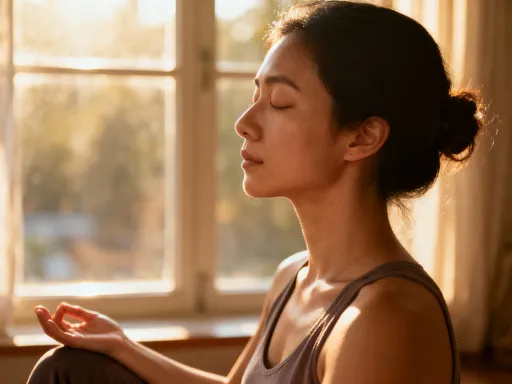
Mindfulness is often misunderstood as a complex meditation practice requiring silence and stillness. But at its core, it’s simply the act of noticing without reacting. For busy women, formal meditation may feel impractical, but micro-moments of awareness are entirely feasible. These brief pauses—lasting 30 to 60 seconds—can be woven into daily routines to interrupt emotional reactivity and restore clarity. They don’t require special training, just a willingness to pay attention. The goal isn’t to empty the mind but to observe it, creating space between impulse and action.
Three simple techniques can be used anytime. The body scan involves mentally checking in with physical sensations from head to toe—tight shoulders, clenched jaw, shallow breath. This awareness often reveals hidden tension and prompts natural relaxation. The five-senses check-in asks: What do you see, hear, smell, touch, and taste right now? This grounds the mind in the present, pulling it away from ruminative thoughts. The gratitude pause involves silently naming three things you’re grateful for—a warm cup of tea, a child’s laughter, a sunny day. This shifts focus from lack to abundance, activating positive neural pathways.
These practices work by interrupting the emotional spiral. When a stressful thought arises—“I can’t handle this”—a moment of awareness allows the brain to pause and respond differently. Instead of reacting with panic or frustration, one might notice, “I’m feeling overwhelmed,” and choose a calming breath or a glass of water. This small shift prevents escalation. Neuroimaging studies suggest that regular mindfulness practice strengthens the prefrontal cortex and reduces amygdala reactivity, making emotional regulation easier over time.
The power lies in consistency, not duration. A single 30-second pause may seem insignificant, but repeated throughout the day, it builds resilience. Over weeks, these micro-moments rewire habitual responses, replacing reactivity with intention. They become anchors in a stormy day—reminders that calm is always available, even in chaos. And because they’re so brief, they’re sustainable, even on the hardest days. Mindfulness, in this form, is not a luxury—it’s a practical skill for modern emotional survival.
Lifestyle as Medicine: Weaving It All Into Real Life
The true power of these strategies lies not in isolation but in combination. Like threads in a tapestry, each practice—breath, movement, light, digital boundaries, and mindful pauses—contributes to a stronger, more resilient emotional fabric. When woven together, they create a lifestyle that supports mental well-being naturally and sustainably. The goal isn’t perfection but integration. Small, consistent actions compound over time, leading to noticeable shifts in mood, energy, and outlook.
Habit stacking—pairing a new behavior with an existing one—makes adoption easier. For example, practice deep breathing while waiting for the coffee to brew. Take a short walk outside after finishing breakfast. Do a quick stretch while the laundry tumbles. Use meal times as cues for a gratitude pause. These pairings reduce the effort required to start and increase the likelihood of consistency. Over time, these behaviors become automatic, requiring little willpower.
It’s important to approach this journey with self-compassion. Progress, not intensity, is the measure of success. Some days will be easier than others. On tough days, even one minute of intentional breath or one step outside counts as victory. The aim is not to eliminate stress but to build better recovery tools. These practices are not replacements for professional care when needed—severe anxiety, depression, or trauma require clinical support. But for everyday emotional fluctuations, they offer accessible, effective relief.
Ultimately, emotional balance is not a destination but a daily practice. It’s about creating a life where calm is not rare but routine. By treating the nervous system with care—through breath, movement, light, and mindful pauses—women can reclaim their emotional well-being. These aren’t quick fixes; they’re lifelong foundations. And once started, many wonder why they didn’t begin sooner.