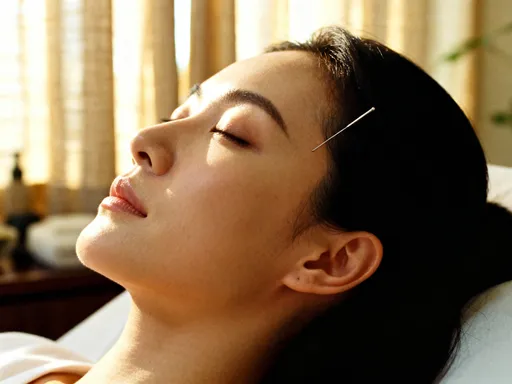
Time to Rewire Aging: My Real Talk on Staying Fresh Without the Hype
Aging isn’t the enemy—mismanagement is. I used to think fine lines and low energy were just “part of getting older,” until I realized they’re often signs of neglect, not destiny. With the right daily habits, your body can stay resilient, vibrant, and balanced. This isn’t about chasing youth; it’s about upgrading how you age. Let’s explore simple, science-backed moves that actually make a difference—no magic pills, just real care. The truth is, aging begins at the cellular level long before we see it in the mirror, and what we do today shapes how we feel tomorrow. You’re not powerless against time. You’re in charge of your vitality.
What Aging Really Means (Spoiler: It’s Not Just Wrinkles)
Aging is often misunderstood as simply the passage of time marked by visible changes like gray hair or deeper smile lines. But biologically, aging is a complex process happening beneath the surface—inside your cells, your mitochondria, and your DNA. One of the key drivers is cellular senescence, a natural slowdown where old cells stop dividing and begin to accumulate. While this process helps prevent damaged cells from turning harmful, too many senescent cells can trigger chronic inflammation, a silent contributor to age-related conditions. Another major factor is oxidative stress, which occurs when free radicals—unstable molecules produced by metabolism and environmental exposure—outnumber the body’s natural antioxidants. Over time, this imbalance damages proteins, lipids, and even DNA, accelerating the wear and tear on your body.
Many people believe aging is mostly genetic, but research shows that genetics account for only about 20 to 30 percent of how we age. The rest? Largely influenced by lifestyle—what we eat, how we move, how well we sleep, and how we manage stress. This means your daily choices have more power than your family history. The concept of biological age—how old your body functions compared to your chronological age—is now widely studied. Some 50-year-olds have the cellular health of someone in their 40s, while others show signs of accelerated aging due to poor habits. This distinction is empowering. It means aging isn’t a one-way decline; it’s a dynamic process you can influence.
Another common myth is that aging inevitably means frailty, fatigue, and cognitive decline. While some changes are normal, severe loss of function is not a guaranteed outcome. Muscle mass does decrease with age if not maintained, but strength training can significantly slow or even reverse this. Cognitive sharpness can be preserved through mental engagement, social connection, and proper nutrition. The key is understanding that aging and decline are not synonymous. Aging is natural. Preventable deterioration is not. By reframing aging as a process of maintenance rather than decline, you shift from passive acceptance to active participation in your health journey.
Why Most Anti-Aging Hacks Fail (And What Actually Works)
Walk down any beauty aisle or scroll through wellness feeds, and you’ll see endless promises: creams that erase wrinkles in days, supplements that “turn back time,” or detox teas that promise glowing skin. Yet, many of these solutions offer short-term illusions with little long-term benefit. The truth is, most anti-aging products focus on surface-level fixes without addressing the root causes of aging. A moisturizer might plump the skin temporarily, but if your cells are under constant oxidative stress, the underlying damage continues. Relying solely on topical solutions is like painting a rusty car without fixing the engine. It looks better for a moment, but the problem remains.
Another common mistake is extreme dieting or trendy cleanses that promise quick results. While short-term weight loss might occur, these approaches often lack essential nutrients needed for cellular repair and hormone balance. They can also lead to muscle loss, slowed metabolism, and increased stress—all of which accelerate aging. Similarly, ignoring sleep or treating it as optional undermines every other effort. No amount of superfoods or skincare can compensate for chronic sleep deprivation, which disrupts hormone regulation, weakens immunity, and impairs brain function.
What actually works is a shift from isolated fixes to holistic vitality. This means viewing your body as an interconnected system where skin health reflects internal inflammation, energy levels depend on mitochondrial function, joint comfort is tied to cartilage maintenance, and mood is influenced by gut health and hormone balance. Instead of chasing a single symptom, the goal is to support the entire system. For example, reducing sugar intake doesn’t just help your skin—it lowers inflammation, stabilizes insulin, and protects against cellular damage. Drinking more water supports kidney function, improves circulation, and enhances skin elasticity. Real anti-aging isn’t about adding more products; it’s about removing harmful habits and building sustainable ones.
Fuel Your Cells Right: The Plate That Fights Time
What you eat directly influences how your cells age. Every bite either contributes to repair or adds to damage. A diet rich in whole, unprocessed foods provides the building blocks your body needs to maintain function and resist deterioration. The most powerful anti-aging foods are those high in antioxidants, healthy fats, fiber, and phytonutrients—natural compounds in plants that support cellular health. These nutrients neutralize free radicals, reduce inflammation, and support DNA repair. Think of your plate as a daily toolkit for longevity.
Leafy greens like spinach, kale, and Swiss chard are packed with vitamins K, C, and folate, as well as antioxidants like lutein and beta-carotene. These compounds protect against oxidative damage and support eye and brain health. Berries—especially blueberries, strawberries, and blackberries—are among the highest antioxidant-rich foods. They contain anthocyanins, which have been shown to improve memory and reduce markers of inflammation. Nuts and seeds, such as walnuts, almonds, and flaxseeds, provide healthy fats like omega-3s and vitamin E, both of which support brain function and skin integrity. Fatty fish like salmon, mackerel, and sardines are excellent sources of EPA and DHA, essential omega-3 fatty acids that reduce systemic inflammation and support heart and cognitive health.
Cruciferous vegetables like broccoli, Brussels sprouts, and cauliflower contain sulforaphane, a compound that activates the body’s natural detoxification pathways and supports cellular repair. Legumes, including lentils, chickpeas, and black beans, offer plant-based protein and fiber, which help stabilize blood sugar and feed beneficial gut bacteria. The gut microbiome plays a growing role in aging, as a healthy gut supports immune function, nutrient absorption, and even mood regulation. Including a variety of colorful fruits and vegetables ensures a broad spectrum of protective compounds. The goal isn’t perfection but consistency—aiming for a rainbow of plant foods across the week.
Equally important is what you limit. Excess sugar, refined carbohydrates, and processed foods drive inflammation and insulin resistance, both of which accelerate aging. Sugary drinks, in particular, are linked to increased visceral fat, fatty liver, and higher biological age. Reducing intake of processed meats and hydrogenated oils also supports long-term health. Instead of strict deprivation, focus on gradual shifts—swap white bread for whole grain, soda for sparkling water with lemon, and chips for a handful of nuts. These small changes, sustained over time, create lasting cellular benefits.
Move Like You Mean It: Exercise That Turns Back the Clock
Physical activity is one of the most potent anti-aging tools available, yet it’s often underutilized. Movement isn’t just about weight management—it’s about maintaining function, strength, and resilience. The human body is designed to move, and without regular stimulation, systems begin to weaken. Three types of exercise are essential for healthy aging: strength training, cardiovascular activity, and flexibility work. Each plays a unique role in supporting cellular and systemic health.
Strength training is critical for preserving muscle mass, which naturally declines with age—a condition known as sarcopenia. After age 30, adults lose about 3 to 5 percent of muscle mass per decade, and this loss accelerates after 60. But resistance exercises—whether using weights, resistance bands, or body weight—can slow and even reverse this trend. Muscle isn’t just for strength; it’s metabolically active tissue that helps regulate blood sugar, supports joint stability, and boosts metabolism. Just two sessions per week of moderate strength training can make a significant difference. Simple routines like squats, lunges, push-ups, and planks can be done at home with minimal equipment.
Cardiovascular exercise improves heart and lung function, enhances circulation, and supports brain health. Activities like brisk walking, cycling, swimming, or dancing increase oxygen delivery, reduce inflammation, and stimulate the production of brain-derived neurotrophic factor (BDNF), a protein that supports memory and cognitive function. Even 30 minutes of moderate cardio most days of the week can lower the risk of chronic diseases and improve energy levels. The key is consistency, not intensity. You don’t need to run marathons—just keep your body moving in ways that feel sustainable and enjoyable.
Flexibility and balance exercises are often overlooked but are vital for maintaining mobility and preventing falls. Yoga, tai chi, and simple stretching routines improve joint range of motion, reduce stiffness, and enhance body awareness. These practices also support relaxation and stress reduction, creating a dual benefit. Incorporating a few minutes of stretching daily—especially after sitting for long periods—can prevent discomfort and maintain functional independence. The best exercise routine is one you can stick with. Start small, build gradually, and focus on how movement makes you feel, not just how it changes your appearance.
Sleep: Your Secret Weapon Against Aging
Sleep is when your body performs its most critical repair work, yet it’s often the first habit sacrificed in busy lives. Chronic poor sleep doesn’t just leave you tired—it actively accelerates biological aging. During deep sleep, the body releases growth hormone, which supports tissue repair, muscle recovery, and collagen production. The brain also undergoes a cleansing process through the glymphatic system, flushing out metabolic waste products like beta-amyloid, a protein linked to cognitive decline. Without sufficient quality sleep, these processes are disrupted, leading to increased inflammation, impaired immunity, and hormonal imbalances.
Research shows that adults who consistently sleep less than six hours per night have higher biological ages than those who get seven to eight hours. Poor sleep affects insulin sensitivity, increases appetite hormones like ghrelin, and reduces leptin, the hormone that signals fullness—leading to weight gain and metabolic issues. It also elevates cortisol, the stress hormone, which over time can damage cells and weaken resilience. The effects are cumulative: one bad night is manageable, but years of sleep debt take a toll on skin, energy, mood, and long-term health.
The good news is that sleep quality can be improved with simple, sustainable habits. Start by creating a consistent sleep schedule—even on weekends—going to bed and waking up at the same time daily. This regulates your body’s internal clock and improves sleep efficiency. Make your bedroom a sleep sanctuary: cool, dark, and quiet. Consider blackout curtains, a white noise machine, or earplugs if needed. Limit screen exposure at least one hour before bed, as blue light from phones and tablets suppresses melatonin, the hormone that signals sleep.
Develop a calming pre-sleep routine: reading a book, gentle stretching, or sipping herbal tea like chamomile or passionflower. Avoid heavy meals, caffeine, and alcohol close to bedtime, as they can disrupt sleep cycles. If stress keeps you awake, try writing down worries in a journal earlier in the evening to clear your mind. These small adjustments don’t require drastic lifestyle changes but can lead to significant improvements in how rested and rejuvenated you feel. Remember, sleep isn’t downtime—it’s active restoration.
Stress Less, Live Longer: Taming the Silent Accelerator
Chronic stress is one of the most underrecognized accelerators of aging. Unlike acute stress, which is short-term and can even be beneficial, chronic stress keeps the body in a constant state of alert, flooding it with cortisol and adrenaline. Over time, this hormonal imbalance damages cells, weakens the immune system, and increases inflammation. High cortisol levels are linked to belly fat accumulation, muscle loss, poor sleep, and even brain shrinkage in areas related to memory and emotional regulation. The effects are often invisible at first, but they accumulate silently, eroding vitality from within.
The modern world is full of stressors—work demands, family responsibilities, financial concerns, and constant digital connectivity. Without intentional pauses, the body never fully shifts into rest-and-digest mode, where healing and recovery occur. The goal isn’t to eliminate stress—some stress is unavoidable—but to build resilience and recovery practices. Small, consistent tools can make a big difference. Deep breathing, for example, activates the parasympathetic nervous system, slowing the heart rate and reducing cortisol. Just a few minutes of slow, diaphragmatic breathing—inhaling for four counts, holding for four, exhaling for six—can calm the nervous system and reset your mood.
Mindful breaks throughout the day also help. Instead of scrolling through your phone during a pause, try stepping outside for fresh air, sipping tea without distraction, or doing a brief body scan to notice tension. These moments of presence interrupt the stress cycle and restore balance. Digital detox—setting boundaries around screen time, especially in the evening—reduces mental clutter and supports better sleep. Even turning off notifications for a few hours can create space for mental recovery.
The key is consistency, not intensity. You don’t need hour-long meditations or retreats to benefit. Five minutes of intentional breathing, three times a day, can lower stress markers over time. The same goes for gratitude practices—taking a moment to reflect on what’s going well shifts your focus from lack to abundance, which has been shown to improve emotional well-being and even immune function. By integrating small stress-management habits into daily life, you protect your body from the invisible wear and tear of chronic stress.
Putting It All Together: Your Personal Aging Game Plan
Now that we’ve explored the pillars of healthy aging—nutrition, movement, sleep, and stress management—it’s time to bring them together into a personalized, manageable routine. The goal isn’t to overhaul your life overnight but to make gradual, sustainable changes that fit your reality. Start by assessing where you are today. Are you sleeping five hours a night? Begin by adding 15 minutes. Do you rarely move? Take a 10-minute walk after lunch. Is your diet heavy in processed foods? Add one extra serving of vegetables each day. Small steps lead to lasting results.
Choose one or two areas to focus on first. For example, if sleep is your biggest challenge, prioritize your bedtime routine before adding a new exercise habit. Once a behavior becomes automatic, layer in the next. Track subtle wins—how you feel, not just what you see. Notice if your energy is steadier, your skin looks clearer, your mood is more balanced, or your joints feel looser. These are signs that your body is responding. Progress isn’t always dramatic, but it’s real.
Create a simple weekly plan. Maybe it’s three strength sessions, four walks, seven servings of vegetables daily, 10 minutes of breathing each morning, and a consistent bedtime. Use a journal or app to stay accountable, but don’t aim for perfection. Miss a day? That’s normal. The power is in returning, not in being flawless. Over time, these habits compound, building a foundation of resilience that supports you for years to come.
Remember, health management is a daily practice, not a one-time fix. It’s not about looking younger—it’s about feeling stronger, clearer, and more capable. You’re not fighting time; you’re working with it. And every small choice you make today adds up to a more vibrant tomorrow.
Aging On Your Terms
Aging is not something to fear or resist. It’s a natural, inevitable part of life—one that can be met with grace, wisdom, and intention. When you shift your mindset from avoiding aging to nurturing vitality, you reclaim power over your well-being. The habits that support healthy aging aren’t about vanity; they’re acts of deep respect for your body’s journey. You’ve carried yourself through decades of challenges, joys, and growth. Now, it’s time to care for that vessel with consistency and compassion.
Small, daily actions—eating nourishing foods, moving with purpose, sleeping deeply, and managing stress—compound into long-term resilience. You don’t need extreme measures or expensive solutions. You need commitment to the basics, sustained over time. The goal isn’t to stop time, but to make it meaningful. To wake up with energy, to move without pain, to think clearly, to laugh easily. These are the true markers of health.
Let this be your invitation to age on your terms—not passively, but actively. Not with fear, but with intention. You’re not powerless against the years. You’re the steward of your vitality. And every choice you make today is a vote for the kind of life you want to live tomorrow. You’re not just getting older. You’re becoming wiser, stronger, and more alive—with every mindful step forward.