Hair Love: What I Learned About Fighting Hair Loss Through Real Food
Losing hair can shake your confidence, but what if the fix starts on your plate? I used to worry every time I saw strands in the sink—until I dug into how nutrition truly impacts hair health. Science shows your scalp doesn’t lie: deficiencies in key nutrients often fuel thinning. This isn’t about quick fixes, but real, sustainable shifts. Here’s what actually works—from iron to protein, zinc to biotin—backed by research and real results.
The Silent Signal: When Hair Loss Points to Nutrition Gaps
Hair loss is often dismissed as an inevitable part of aging or blamed solely on genetics, but for many, it's a silent reflection of what’s happening inside the body. Research increasingly shows that nutritional deficiencies play a significant role in hair thinning and shedding. The hair growth cycle is sensitive to internal imbalances, and when essential nutrients fall below optimal levels, the scalp often responds with visible changes. Iron deficiency, for example, is one of the most common nutritional causes of hair loss, particularly among women. A 2021 review published in the International Journal of Trichology found that low serum ferritin levels—indicating depleted iron stores—are frequently observed in individuals experiencing telogen effluvium, a condition marked by excessive hair shedding.
Similarly, inadequate intake of zinc, vitamin D, and protein has been linked to weakened hair structure and disrupted growth cycles. Unlike genetic hair loss, which progresses gradually and predictably, nutrient-related shedding can appear suddenly and may be reversible with proper dietary correction. This distinction is crucial because it shifts the focus from concealment to correction. Topical treatments like shampoos or serums may improve appearance temporarily, but they do not address the root cause when the issue stems from internal deficiency. For women in their 30s to 50s, who often juggle family, career, and personal health, recognizing hair loss as a potential warning sign can be empowering.
Many women in this age group may unknowingly restrict calories, follow trendy diets low in animal proteins, or experience menstrual blood loss that depletes iron over time. These factors, combined with increased stress and hormonal shifts, create a perfect storm for nutrient-related hair concerns. The good news is that the body responds well to nourishment when given the right tools. By viewing hair not just as a cosmetic feature but as a barometer of overall health, individuals can begin to make informed choices. Blood tests to assess iron, vitamin D, and zinc levels are simple and widely available, offering a clear starting point. Addressing deficiencies through diet—or supplements when medically advised—can lead to noticeable improvements in hair texture, thickness, and growth over time.
Why Your Scalp Needs Protein (And How Much Is Enough)
Hair is primarily made of a structural protein called keratin, which means that adequate dietary protein is non-negotiable for healthy hair growth. Every strand is built from amino acids, the building blocks of protein, which the body either obtains from food or synthesizes using available resources. When protein intake is consistently low, the body prioritizes vital functions over hair production, leading to a slowdown in the growth phase of the hair cycle. Over time, this can result in thinner, more brittle strands and increased shedding. For women managing busy households or focusing on weight control, protein intake can sometimes take a backseat, especially if meals rely heavily on refined carbohydrates or plant-based foods without proper planning.
The recommended dietary allowance (RDA) for protein is 0.8 grams per kilogram of body weight per day for the average adult, but many experts suggest that 1.0 to 1.2 grams per kilogram may be more appropriate for women over 30, particularly those with active lifestyles or recovering from nutritional deficits. For a 150-pound woman, this translates to about 68 to 82 grams of protein daily. Meeting this target doesn’t require large portions of meat or expensive supplements. It’s about consistent inclusion of quality protein sources throughout the day. Animal-based proteins such as eggs, Greek yogurt, chicken, fish, and dairy contain all nine essential amino acids and are highly bioavailable, meaning the body can use them efficiently.
For those following a plant-based diet, combining different protein sources—such as beans and rice, lentils and whole grains, or nuts and seeds—ensures a complete amino acid profile. A breakfast of scrambled eggs with spinach, a lunch salad with chickpeas and quinoa, and a dinner of baked salmon with roasted vegetables can easily meet daily needs without excess. The key is balance: too little protein harms hair, but excessive intake offers no additional benefit and may strain the kidneys over time. By focusing on whole-food sources and spreading protein intake across meals, women can support steady hair growth while also maintaining muscle mass and energy levels. Over several months, many report stronger nails, improved skin, and thicker hair—signs that the body is well-nourished from within.
Iron’s Hidden Role: Oxygen Flow and Follicle Health
Iron is a critical mineral for hair health because of its role in oxygen transport. Hemoglobin, the protein in red blood cells that carries oxygen, depends on iron to function properly. When iron levels are low, less oxygen reaches the hair follicles, impairing their ability to sustain normal growth. This can push hair prematurely into the resting phase, leading to shedding. While iron deficiency anemia is a well-known condition, even subclinical deficiency—where levels are low but not yet anemic—can affect hair. Women are especially vulnerable due to monthly blood loss during menstruation, and those with heavy periods are at higher risk. Pregnancy, breastfeeding, and restrictive diets can further deplete iron stores, making regular monitoring important.
There are two types of dietary iron: heme and non-heme. Heme iron, found in animal products like lean beef, poultry, and fish, is absorbed more efficiently by the body—up to 15–35% compared to just 2–20% for non-heme iron from plant sources like lentils, spinach, and fortified grains. However, absorption of non-heme iron can be significantly improved when consumed with vitamin C-rich foods. For example, pairing a spinach salad with lemon dressing or eating bell peppers with lentil soup enhances iron uptake. On the other hand, certain compounds like phytates in whole grains and tannins in tea and coffee can inhibit absorption, so it’s wise to avoid consuming these with iron-rich meals.
While iron supplements are sometimes necessary, they should only be taken under medical supervision, as excess iron can be harmful. Unnecessary supplementation may lead to gastrointestinal discomfort or even iron overload in some individuals. A better first step is to evaluate dietary patterns and increase intake of iron-rich foods. Including a few servings of red meat per week, or regularly consuming shellfish like clams and oysters—both excellent sources—can make a meaningful difference. For vegetarians, cooking in cast-iron pans may also increase iron content in food. Over time, with consistent intake and improved absorption, many women notice reduced fatigue, better concentration, and, importantly, less hair shedding. Blood tests measuring serum ferritin—the stored form of iron—are the most reliable way to assess status, and levels above 50 ng/mL are often recommended for optimal hair support.
Zinc: The Repair Mineral Your Hair Can’t Ignore
Zinc is a trace mineral involved in over 300 enzymatic reactions in the body, including those related to cell division, protein synthesis, and tissue repair—all essential for maintaining a healthy hair growth cycle. Hair follicles are among the most rapidly dividing cells in the body, which makes them particularly sensitive to zinc levels. When zinc is deficient, the hair matrix can become disorganized, leading to weakened strands and increased shedding. Studies have shown that individuals with telogen effluvium and alopecia areata often have lower serum zinc levels compared to those with healthy hair. While zinc deficiency is not always common in well-nourished populations, certain dietary patterns—such as strict vegetarianism, excessive alcohol consumption, or prolonged use of certain medications—can increase the risk.
Dietary sources of zinc include oysters, beef, pumpkin seeds, lentils, chickpeas, and fortified cereals. Animal-based sources are more readily absorbed due to the absence of phytates, which bind zinc in plant foods and reduce bioavailability. Soaking, sprouting, or fermenting legumes and grains can help reduce phytate content and improve zinc absorption. For women who may not consume meat regularly, incorporating a small handful of pumpkin seeds into daily snacks or adding lentils to soups and stews can contribute meaningful amounts. The recommended daily intake for adult women is 8 milligrams, with an upper limit of 40 milligrams to avoid toxicity.
While zinc supplements are widely marketed for hair health, excessive intake can actually trigger hair loss rather than prevent it. High doses over time can interfere with copper absorption, leading to imbalances that negatively affect hair and overall health. Therefore, the focus should remain on food-first strategies. A balanced diet that includes a variety of zinc-rich foods supports not only hair but also immune function, wound healing, and skin integrity. Women who suspect deficiency should consult a healthcare provider before starting supplementation. With consistent, moderate intake from whole foods, the body can maintain optimal zinc status, allowing hair follicles to function efficiently and supporting regrowth in cases where deficiency was a contributing factor.
Biotin and Beyond: Separating Hype from Real Support
Biotin, also known as vitamin B7, has gained widespread popularity as a “hair growth vitamin,” often featured in beauty supplements and gummy vitamins. While biotin plays a legitimate role in metabolizing fats, carbohydrates, and amino acids—processes that support keratin production—its benefits for hair are often overstated. Research shows that biotin supplementation only leads to noticeable improvement in individuals with a confirmed deficiency, which is rare in the general population. Most people obtain sufficient biotin from their diet, as it is produced by gut bacteria and found in foods like eggs, nuts, seeds, and whole grains. Unnecessary supplementation does not accelerate hair growth and may even interfere with certain lab tests, including thyroid and hormone panels, leading to misdiagnosis.
Instead of focusing on a single vitamin, a broader approach to B-vitamins is more effective. Other B-complex vitamins—such as B12, B6, and folate—are equally important for red blood cell formation and cellular energy, both of which support healthy hair. Vitamin B12 deficiency, for instance, is more common in older adults and those following vegan diets, and it can contribute to hair thinning and fatigue. Ensuring adequate intake through fortified foods or supplements when necessary is important, but again, food should be the foundation. A breakfast of whole grain toast with peanut butter and banana, a lunch with brown rice and black beans, and a dinner featuring salmon and steamed broccoli provide a wide spectrum of B-vitamins in natural, absorbable forms.
The real power lies in synergy: nutrients work best in combination, not isolation. A diet rich in whole grains, legumes, eggs, dairy, and lean meats naturally supplies the B-vitamin complex needed for scalp health. Rather than chasing the latest supplement trend, women are better served by building a varied, balanced diet. When deficiencies are ruled out, the best strategy is consistency—eating nutrient-dense foods every day. This approach not only supports hair but also promotes long-term energy, cognitive function, and metabolic health. Over time, many find that their hair becomes stronger and shinier, not because of a magic pill, but because their body is finally getting the full spectrum of nutrients it needs.
Anti-Inflammatory Foods: Calming the Scalp from Within
Chronic inflammation is increasingly recognized as a contributor to various health issues, including hair loss. Inflammatory conditions such as alopecia areata involve immune-mediated attacks on hair follicles, but even subclinical inflammation—caused by poor diet, stress, or environmental factors—can disrupt the hair growth cycle. Diets high in processed foods, refined sugars, and unhealthy fats promote systemic inflammation, which may impair follicle function and prolong the resting phase of hair. On the other hand, an anti-inflammatory diet rich in whole plant foods, healthy fats, and antioxidants creates a more favorable internal environment for hair growth.
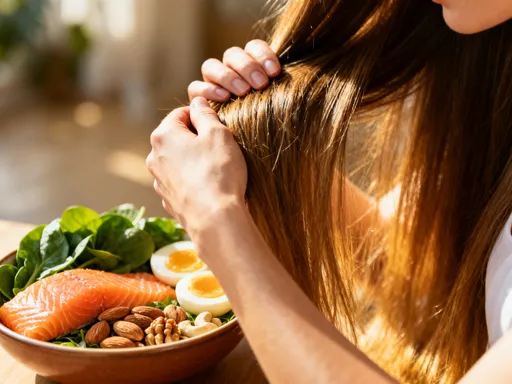
Omega-3 fatty acids, found in fatty fish like salmon, mackerel, and sardines, as well as in flaxseeds, chia seeds, and walnuts, have been shown to reduce inflammatory markers in the body. These fats also support scalp hydration and may improve hair density over time. Antioxidants such as vitamin C, vitamin E, and polyphenols—abundant in berries, citrus fruits, leafy greens, nuts, and green tea—help neutralize free radicals that can damage hair cells. Colorful vegetables like bell peppers, beets, and sweet potatoes not only provide these compounds but also supply essential vitamins and minerals that work together to strengthen hair from root to tip.
Adopting an anti-inflammatory eating pattern doesn’t require strict rules or elimination of entire food groups. It’s about shifting the balance toward more whole, minimally processed foods. Replacing sugary snacks with a handful of almonds and blueberries, choosing olive oil over margarine, and including a serving of fatty fish twice a week are simple, sustainable changes. Over time, many women report not only improvements in hair but also better digestion, clearer skin, and more stable energy levels. The scalp, like the rest of the body, thrives when nourished with clean, nutrient-rich fuel. By reducing dietary triggers of inflammation and increasing intake of protective foods, women can support their hair health in a holistic, long-term way.
Building Your Hair-Healthy Plate: A Sustainable Approach
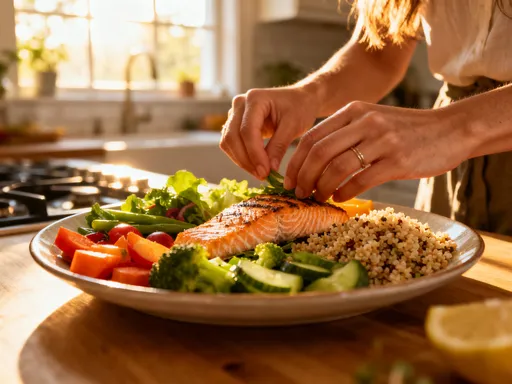
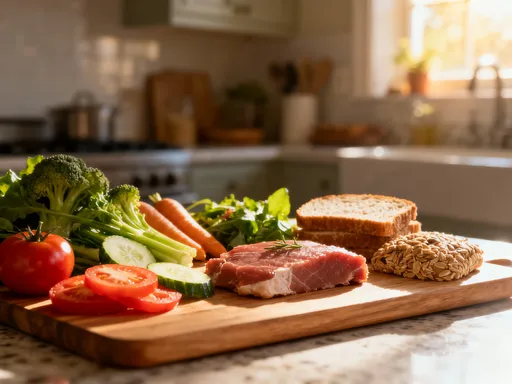
Creating a diet that supports hair health doesn’t require perfection or expensive superfoods. It’s about forming consistent, realistic habits that fit into daily life. Start by building meals around a foundation of whole grains, lean proteins, healthy fats, and a variety of colorful vegetables and fruits. A simple framework is to fill half the plate with vegetables, one-quarter with protein, and one-quarter with whole grains or starchy vegetables. Include a source of healthy fat with each meal—such as avocado, olive oil, or nuts—to aid in the absorption of fat-soluble vitamins like vitamin E and vitamin D, both of which support scalp health.
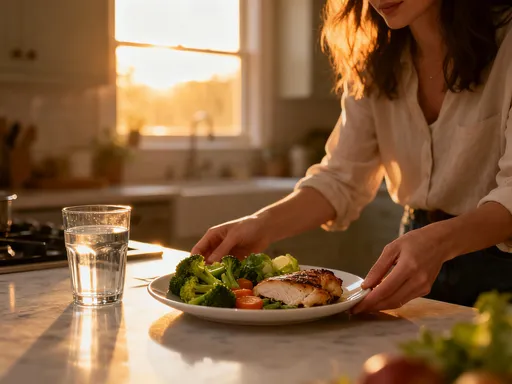
Breakfast might include a spinach and mushroom omelet with whole grain toast and a side of berries. Lunch could be a quinoa bowl with chickpeas, roasted sweet potatoes, kale, and a lemon-tahini dressing. Dinner might feature baked salmon, brown rice, and steamed broccoli. Snacks like Greek yogurt with chia seeds, apple slices with almond butter, or a small handful of mixed nuts provide sustained energy and key nutrients. Hydration also plays a role—drinking enough water supports circulation and nutrient delivery to the scalp.
Results take time. Hair grows slowly, typically about half an inch per month, and changes from improved nutrition may take three to six months to become visible. Patience and consistency are essential. It’s also important to recognize when professional guidance is needed. If hair loss is sudden, patchy, or accompanied by other symptoms like fatigue or weight changes, consulting a healthcare provider is crucial to rule out underlying medical conditions such as thyroid disorders or autoimmune diseases.
Ultimately, the journey to healthier hair is not about quick fixes but about honoring the body with real, nourishing food. Every meal is an opportunity to support not just hair, but overall well-being. Small, sustainable changes—choosing whole foods over processed ones, eating balanced meals, and staying hydrated—add up to significant long-term benefits. Women who make these shifts often find that their confidence returns not just because their hair looks better, but because they feel stronger, more energized, and more in tune with their bodies. Hair health is not separate from overall health—it is a reflection of it. By feeding the body well, women can nurture their hair from the inside out, one nourishing bite at a time.