Why I Started Acupuncture and Massage — My Simple Path to Staying Healthy
I used to think acupuncture and massage were only for pain relief—until I learned how they help prevent illness before it starts. After feeling constantly drained and tense, I gave it a try, not knowing it would change my daily routine. Over time, I noticed fewer colds, better sleep, and more energy. This isn’t about curing diseases—it’s about staying strong before problems arise. If you’re curious how these ancient practices can fit into modern life, let me share what actually worked for me.
The Wake-Up Call: When Minor Aches Became a Warning
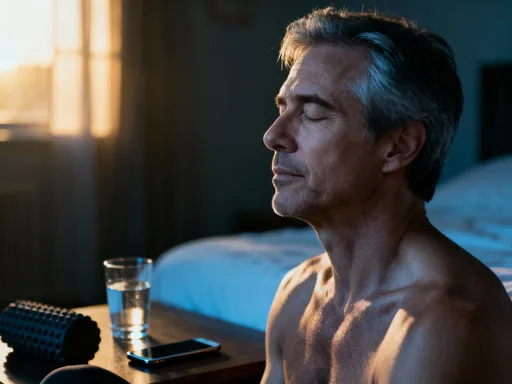
For years, I dismissed the small signs my body was sending. Waking up with stiff shoulders. Feeling tired even after eight hours of sleep. Catching every cold that went around the office. I told myself it was normal—just part of being busy, part of aging, part of life. But the truth was, these weren’t isolated issues. They were connected. They were my body’s way of asking for attention, long before anything serious developed.
What I didn’t realize then was that persistent fatigue, chronic muscle tension, and disrupted sleep aren’t just annoyances—they can be early signals of imbalance. In traditional health frameworks, the body is seen as an interconnected system. When one part is under strain, it affects the whole. Stress builds up silently, circulation slows, and the immune system becomes less responsive. Over time, these small disruptions can open the door to more serious health concerns, from frequent infections to long-term fatigue and even cardiovascular strain.
My turning point came during a routine check-up. My doctor noted that while my blood work was within normal range, my stress levels—measured through heart rate variability and blood pressure trends—were elevated. There was no diagnosis, no prescription, just a quiet suggestion: “You might want to look at how you’re managing tension.” That conversation shifted my mindset. Instead of waiting for something to go wrong, I began to explore ways to support my body before it reached a breaking point. That’s how I discovered the preventive power of acupuncture and massage.
What Acupuncture Really Is (And What It’s Not)
When most people hear “acupuncture,” they picture needles and wince. But the reality is far less dramatic—and much more grounded. Acupuncture is a practice rooted in centuries of observation, not mysticism. It’s based on the idea that energy, often called “qi” (pronounced “chee”), flows through pathways in the body known as meridians. When this flow becomes blocked or unbalanced, discomfort or illness can follow. Acupuncture works by gently stimulating specific points along these pathways to restore balance and support the body’s natural ability to heal itself.
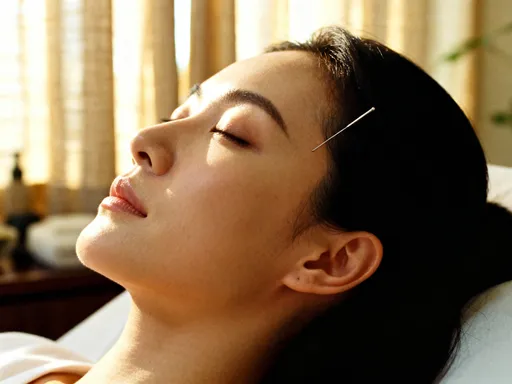
It’s important to clarify what acupuncture is not. It’s not a miracle cure. It doesn’t promise to eliminate disease or replace medical treatment. And for most people, it’s not painful. The needles used are extremely thin—about the width of a human hair—and most patients report only a slight sensation, if anything. Some feel a brief tingling or warmth; others feel nothing at all. The process is calm, quiet, and often deeply relaxing. Many fall asleep during sessions.
What makes acupuncture powerful as a preventive tool is its effect on the body’s regulatory systems. Research has shown that regular acupuncture can help modulate the immune system, reducing the frequency of colds and infections. It also helps lower inflammation, a key factor in many chronic conditions. By supporting the nervous system, it can reduce the production of stress hormones like cortisol, which, when chronically elevated, can impair sleep, digestion, and heart health. In this way, acupuncture isn’t about fixing one problem—it’s about strengthening the entire system so it can respond more effectively to daily challenges.
How Massage Goes Beyond Relaxation
Massage is often thought of as a luxury—a treat after a vacation or a special occasion. But when used consistently, it’s much more than that. It’s a practical tool for maintaining physical and mental well-being. At its core, massage therapy improves circulation, helping oxygen and nutrients reach muscles and organs more efficiently. It also aids in the removal of metabolic waste, reducing the buildup of lactic acid and other compounds that contribute to stiffness and soreness.
But the benefits go deeper than sore muscles. Chronic physical tension—especially in the neck, shoulders, and back—is often a physical manifestation of stress. When we’re under pressure, our bodies instinctively tighten. Over time, this constant state of low-grade contraction can lead to higher blood pressure, reduced mobility, and even disrupted breathing patterns. Regular massage helps break this cycle by signaling the nervous system to shift from “fight or flight” to “rest and digest.” This shift isn’t just psychological—it’s physiological. Studies have shown that massage can lower cortisol levels, improve heart rate variability, and support better sleep quality.
The key is consistency. You don’t need long, intense sessions to see results. Even 30-minute sessions once a month can create meaningful changes over time. Like brushing your teeth or drinking water, massage works best as part of a routine. The effects are cumulative: reduced muscle tension, improved posture, and a greater sense of ease in daily life. For women in their 30s to 50s—who often juggle work, family, and household responsibilities—this kind of self-care isn’t indulgent. It’s essential.
My First Session: Nerves, Needles, and Surprising Calm
I walked into my first acupuncture appointment with more hesitation than hope. I had read about it, but nothing could replace the unknown of the actual experience. The clinic was quiet, with soft lighting and a calm atmosphere. My practitioner, a licensed professional with years of training, took time to ask about my sleep, stress levels, and daily routine. She didn’t make promises—just listened, then explained what to expect.
When the needles were placed—on my hands, feet, and lower back—I was surprised by how little I felt. There was no pain, no dramatic sensation. Instead, a deep sense of calm settled over me. My breathing slowed. My shoulders, which I hadn’t even realized were tight, began to relax. I stayed still for about 20 minutes, eyes closed, in a state somewhere between wakefulness and rest. When the session ended, I didn’t feel “fixed,” but I did feel different—lighter, clearer, as if a low hum of tension had been turned down.
My first massage session was equally grounding. The therapist used gentle, rhythmic strokes, focusing on areas where I held tension. She checked in regularly, adjusting pressure as needed. What stood out wasn’t just the physical relief, but the mental shift. For the first time in months, I wasn’t thinking about to-do lists or deadlines. I was simply present in my body. These early experiences didn’t solve everything overnight, but they planted a seed: what if taking care of myself didn’t have to be complicated? What if small, regular acts of attention could make a real difference?
Building a Routine That Actually Sticks
One of the biggest challenges isn’t starting—it’s staying consistent. Life gets busy. Priorities shift. It’s easy to let self-care slide when other demands take over. What helped me was reframing acupuncture and massage not as occasional treats, but as part of my health routine—just like eating well or getting enough sleep. I started small: one session a month. That felt manageable. I didn’t expect dramatic changes, just subtle shifts I could notice over time.
Tracking those shifts made a difference. I began paying attention to things I used to overlook: how well I slept, how often I woke with a stiff neck, how quickly I recovered from a long day. I kept a simple journal, noting how I felt before and after each session. Over several months, patterns emerged. I was catching fewer colds. My energy levels were more stable. Even my digestion improved. These weren’t huge transformations, but they were real—and they motivated me to keep going.
I also learned to pair these therapies with small daily habits. Drinking more water helped flush out toxins released during massage. Gentle stretching in the morning kept my muscles from tightening up again. I made a point to move regularly throughout the day, especially if I sat at a desk for long periods. None of these changes were drastic, but together, they created a supportive environment for my body. The most important lesson? Listen to your body. If a session left me feeling overly tired or sore, I didn’t push through. I adjusted. Self-care isn’t about endurance—it’s about responsiveness.
Science Meets Tradition: What Research Says
While acupuncture and massage have roots in ancient traditions, they’re not outside the reach of modern science. In recent years, researchers have studied their effects with increasing rigor. Multiple clinical trials have shown that acupuncture can influence the body’s immune response. One study published in the journal Autonomic Neuroscience found that regular acupuncture sessions were associated with increased activity in immune cells responsible for fighting off viruses. Another study in Medical Acupuncture reported reductions in inflammatory markers among participants who received treatment over several weeks.
Massage therapy has also been the subject of scientific inquiry. Research from the Journal of Alternative and Complementary Medicine has demonstrated that even a single 45-minute massage can lead to significant decreases in cortisol levels—sometimes by as much as 30%. Other studies have shown improvements in heart rate variability, a key indicator of nervous system balance. Better HRV is linked to lower stress, improved resilience, and even reduced risk of cardiovascular issues over time.
It’s important to emphasize that these therapies are complementary. They don’t replace medical care, medications, or doctor’s advice. But when used alongside conventional health practices, they can enhance overall well-being. The science doesn’t claim miracles, but it does support what many patients report: that regular acupuncture and massage help the body function more smoothly, recover more quickly, and stay better equipped to handle daily stressors. That’s not magic—that’s physiology.
Who Should Consider This—and When to Talk to a Doctor
Acupuncture and massage aren’t for everyone, but they can be beneficial for many. They’re especially helpful for people who experience chronic stress, spend long hours at a desk, or carry tension in their bodies. Women managing busy households, caring for aging parents, or navigating hormonal changes may find these therapies particularly supportive. They can also help those recovering from minor injuries, managing occasional headaches, or looking to strengthen their immune system during cold and flu season.
That said, it’s essential to consult a healthcare provider before starting, especially if you have underlying health conditions. People with bleeding disorders, those on blood-thinning medications, or individuals with severe osteoporosis should seek medical guidance before acupuncture. Similarly, massage may need to be modified or avoided in cases of deep vein thrombosis, open wounds, or acute inflammation. A licensed practitioner will always review your health history and tailor the treatment to your needs, but your doctor should be part of the conversation.
Red flags like unexplained pain, sudden changes in energy, or persistent symptoms should never be ignored. These practices are about prevention and support, not diagnosis or treatment of disease. If something feels off, see a medical professional first. Once cleared, acupuncture and massage can be safe, effective tools to help maintain balance and resilience.
Prevention doesn’t have to be complicated. For me, acupuncture and massage became simple, sustainable tools—not because they promised miracles, but because they helped me stay one step ahead. It’s not about fixing what’s broken; it’s about maintaining what’s already working. With awareness, consistency, and professional guidance, anyone can explore these practices safely. Your body doesn’t need drama—it just needs care, early and often.