How I Healed My Body the Natural Way — Science-Backed Chinese Wellness in Action
Have you ever felt stuck in recovery, trying everything with little progress? I’ve been there. After months of fatigue and slow healing, I turned to science-guided Chinese wellness practices — not as a trend, but as a real strategy. Combining ancient principles with modern understanding, I discovered how body balance, energy flow, and mindful rehabilitation can support recovery. This is not about miracle cures, but consistent, natural healing that works *with* your body. Let me walk you through what actually helped.
The Hidden Gap in Modern Recovery
Many people today face a quiet but persistent struggle: despite receiving medical care, their recovery stalls. Whether recovering from surgery, managing chronic fatigue, or healing after an injury, the journey often feels incomplete. Symptoms may be treated, yet the overall sense of vitality remains low. This gap — between clinical treatment and full restoration — is real and increasingly recognized by both patients and health professionals. Conventional medicine excels at diagnosing conditions and addressing acute issues, but it often focuses on isolated symptoms rather than the body’s broader state of balance.
This symptom-first approach, while essential in emergencies, can overlook the deeper conditions that support healing. For example, inflammation, poor circulation, disrupted sleep, and stress-related nervous system imbalances are frequently present in slow recovery cases, yet not always directly addressed. Treatments may manage pain or correct structural issues, but they don’t always restore the body’s natural ability to regenerate. As a result, many individuals find themselves caught in a cycle of temporary relief without lasting improvement.
In recent years, interest has grown in integrative models that bridge this gap. Among these, science-aligned Chinese wellness practices have gained attention not as alternative or mystical solutions, but as practical, body-centered strategies grounded in observable effects. These methods do not reject modern medicine; instead, they complement it by focusing on the body’s innate capacity to heal when given the right conditions. The shift is from merely fixing problems to actively supporting the system that enables recovery.
What Is Chinese Wellness (Yangsheng) — Beyond Myths
At the heart of this approach is *Yangsheng*, a centuries-old tradition meaning 'nourishing life.' Unlike Western health models that often activate only when illness appears, *Yangsheng* emphasizes daily practices that maintain balance and prevent decline. It includes mindful eating, rhythmic movement, breath regulation, and seasonal alignment — all designed to support long-term vitality. While sometimes misunderstood as esoteric or spiritual, *Yangsheng* is better understood as a practical system of self-care rooted in deep observation of the human body and its environment.
Modern science now offers frameworks that help explain how these practices work. For instance, the concept of homeostasis — the body’s ability to maintain internal stability — closely mirrors the *Yangsheng* goal of balance. Similarly, research in neurophysiology shows how breathing techniques and gentle movement can regulate the autonomic nervous system, reducing stress hormones and promoting recovery. These are not abstract ideas; they are measurable physiological responses that align with traditional principles.
One common misconception is that Chinese wellness relies on unproven or magical beliefs. In reality, its foundations are based on pattern recognition and cause-and-effect relationships observed over generations. For example, the timing of meals, the quality of rest, and the rhythm of daily activity were found to influence energy levels and healing speed long before modern medicine had terms for circadian biology or metabolic regulation. Today, we recognize that the body operates best when routines support its natural cycles — a principle central to both *Yangsheng* and contemporary health science.
Why the Body Heals Better When Balanced
Central to Chinese wellness is the idea of *Qi* — often translated as 'vital energy' or 'life force.' While the term may sound abstract, it can be understood in practical terms as the dynamic flow of biological processes that sustain function. When *Qi* flows smoothly, the body experiences good circulation, efficient metabolism, and responsive immune activity. When it becomes blocked or imbalanced, symptoms like fatigue, stiffness, and delayed healing can arise.
From a scientific perspective, this concept parallels modern understandings of physiological regulation. For example, poor blood flow due to inactivity can slow tissue repair, just as chronic stress can dysregulate the nervous system and impair immune response. In both cases, the body’s internal environment becomes less supportive of healing. The goal of *Yangsheng* is not to add external energy, but to remove obstacles that hinder the body’s natural rhythms.
Research supports the connection between balance and recovery. Studies have shown that mind-body practices such as meditation and breathwork can reduce markers of inflammation and improve heart rate variability — a key indicator of nervous system resilience. Other evidence demonstrates that individuals who maintain regular daily routines, including consistent sleep and meal times, experience faster recovery from illness and injury. These findings reinforce the traditional emphasis on harmony: healing is not just about the affected area, but about the overall state of the system.
Key Science-Backed Practices That Support Rehabilitation
Three core practices stand out for their accessibility and research support: gentle movement, rhythmic breathing, and daily rhythm alignment. Each works synergistically to enhance circulation, reduce stress, and support the body’s self-repair mechanisms. These are not intense regimens, but sustainable habits that can be integrated into daily life, even during recovery.
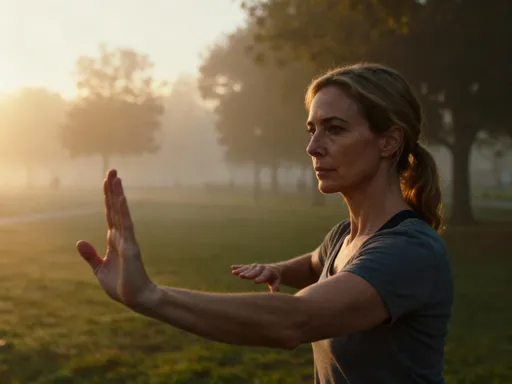
Gentle movement, such as Tai Chi or Qigong, has been extensively studied for its role in rehabilitation. These practices combine slow, intentional motions with focused awareness, promoting joint mobility, muscle coordination, and blood flow. Unlike high-intensity exercise, which may be inappropriate during early recovery, gentle movement supports healing without overexertion. Clinical trials have shown that Tai Chi improves balance in older adults, reduces joint pain in arthritis patients, and enhances functional recovery after stroke. The movements help release physical stagnation, allowing nutrients and oxygen to reach tissues more effectively.
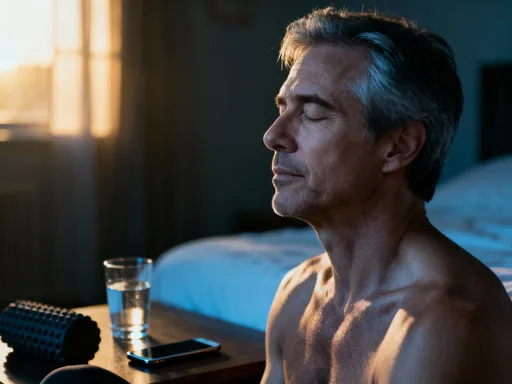
Rhythmic breathing is another foundational practice. By slowing and deepening the breath, individuals can activate the parasympathetic nervous system — the body’s 'rest and digest' mode. This shift reduces cortisol levels, lowers heart rate, and creates a physiological environment conducive to healing. Simple techniques, such as diaphragmatic breathing or equal-ratio inhale-exhale patterns, can be practiced anywhere and require no special equipment. Studies have found that regular breath training improves sleep quality, reduces fatigue, and enhances emotional regulation — all critical factors in recovery.
Daily rhythm alignment involves synchronizing activities with the body’s natural cycles. This includes eating meals at consistent times, waking and sleeping on a regular schedule, and aligning physical activity with energy peaks. The human body operates on circadian rhythms that influence hormone release, metabolism, and cellular repair. Disrupting these rhythms — through irregular sleep or erratic eating — can impair recovery. By contrast, maintaining a predictable daily structure supports internal coordination and metabolic efficiency. For example, eating the largest meal earlier in the day aligns with natural digestive strength, while evening wind-down routines prepare the body for restorative sleep.
How I Applied It — A Real Recovery Routine
After a minor injury left me with persistent fatigue and low energy, I began exploring these practices not as a cure, but as support. My doctor confirmed no serious structural issues, yet I felt far from restored. Frustrated by the lack of progress, I decided to integrate *Yangsheng* principles gradually, focusing on consistency rather than intensity. I started with just five minutes a day, building habits slowly over a four-week period.
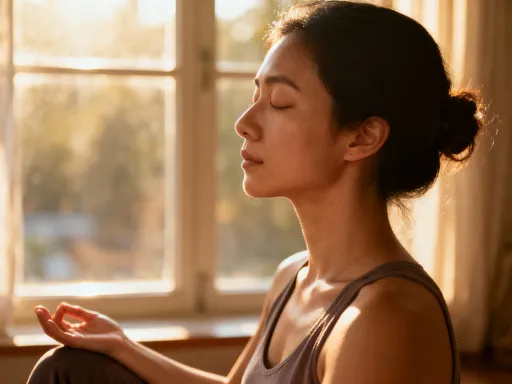
The first step was rhythmic breathing. Each morning, I spent five minutes practicing slow, deep breaths — inhaling for four counts, exhaling for four. I did this seated by a window, focusing on the rise and fall of my abdomen. Within a week, I noticed a subtle shift: my mornings felt calmer, and the mental fog I often experienced began to lift. By the second week, I extended the practice to include a brief body scan, gently bringing awareness to areas of tension without trying to force change.
Next, I introduced micro-movements — gentle stretches and joint rotations — in the late afternoon. These were not exercises for fitness, but for circulation. I followed a simple sequence: neck rolls, shoulder circles, wrist and ankle rotations, and slow spinal twists. Each movement was done slowly, with attention to sensation. I avoided any strain and stopped before discomfort. Over time, stiffness in my shoulders and lower back decreased, and my range of motion improved.
I also adjusted my daily rhythm. I began eating dinner earlier, by 6:30 PM, and avoided screens after 8:00 PM. I established a bedtime routine: herbal tea, light reading, and five minutes of breathwork. Within three weeks, my sleep became deeper and more consistent. I no longer woke up exhausted. The changes were small individually, but together, they created a noticeable shift in my energy and sense of well-being. I didn’t rush healing — I supported it.
What Science Says — Bridging Tradition and Evidence
The growing body of research on mind-body practices validates many aspects of Chinese wellness. For example, a 2020 meta-analysis published in the *Journal of the American Medical Association* found that Tai Chi significantly improved balance and reduced fall risk in older adults. Another study in *Frontiers in Physiology* demonstrated that Qigong practice enhanced immune function and reduced inflammatory markers in individuals with chronic conditions. These findings show that traditional movements do more than improve flexibility — they influence biological processes at a systemic level.
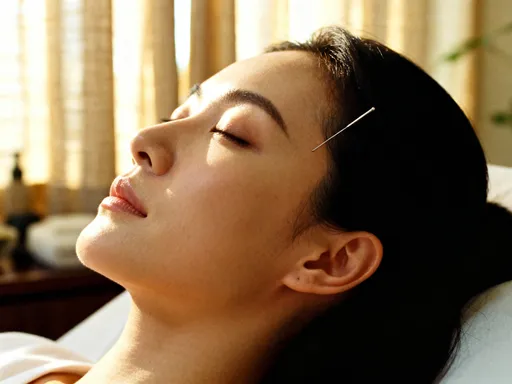
Acupuncture, another pillar of Traditional Chinese Medicine (TCM), has also been studied for its role in rehabilitation. Research indicates that it may help regulate pain perception, improve blood flow, and support nervous system recovery. While the exact mechanisms are still being explored, neuroimaging studies suggest that acupuncture influences brain regions involved in pain modulation and autonomic control. Importantly, these benefits are most effective when used alongside conventional care, not as replacements.
Perhaps most compelling is the alignment between TCM concepts and modern physiology. For instance, the TCM idea of 'meridians' — pathways of *Qi* — does not correspond to physical structures, but their described functions often overlap with known neural and vascular networks. Similarly, the emphasis on 'spleen qi' in digestion aligns with modern understanding of gut-brain communication and metabolic regulation. While the language differs, the observed effects are consistent: when the body’s systems are in harmony, healing progresses more efficiently.
It is crucial to emphasize that these practices are complementary. They do not replace medical diagnosis or treatment. Instead, they offer a framework for enhancing the body’s response to care. When integrated thoughtfully, they can reduce recovery time, improve quality of life, and empower individuals to take an active role in their health.
How to Start Safely and Sustainably
Beginning a wellness practice during recovery requires patience and respect for individual limits. The first step should always be consultation with a healthcare provider, especially if managing a medical condition. These natural methods are supportive, not substitutes for necessary treatments. Once cleared, the key is to start small. Choose one practice — such as five minutes of breathwork or a short daily walk — and commit to it consistently for at least two weeks before adding more.
Tracking subtle changes can help maintain motivation. Instead of expecting dramatic shifts, pay attention to small improvements: easier breathing, deeper sleep, less morning stiffness, or a calmer mind. These are signs that the body is responding. Journaling or using a simple checklist can help identify patterns over time. The goal is not perfection, but awareness and consistency.
It is also important to avoid extreme interpretations. Some may be tempted to adopt strict diets or intensive regimens in pursuit of faster results. However, such approaches can increase stress and disrupt balance — the opposite of the intended effect. The essence of *Yangsheng* is moderation and harmony. What works for one person may not suit another, and that is normal. Listening to the body’s signals is more valuable than following rigid rules.
Finally, allow time for integration. Healing is not linear. Some days will feel better than others. The power of these practices lies in their cumulative effect. Over weeks and months, small, consistent actions create lasting change. By honoring the body’s natural rhythms and supporting its innate wisdom, recovery becomes not just a return to function, but a restoration of vitality.
True recovery isn’t just about fixing a part — it’s about supporting the whole system. Integrating science-informed Chinese wellness isn’t a shortcut, but a deeper way to honor how the body heals. When balance, rhythm, and awareness come together, rehabilitation becomes not just possible — but sustainable. Always consult your doctor, but don’t overlook the power of natural support. Your body might be ready to respond — if you give it the right conditions.