Credit Cards Without the Stress: How I Learned to Stay in Control
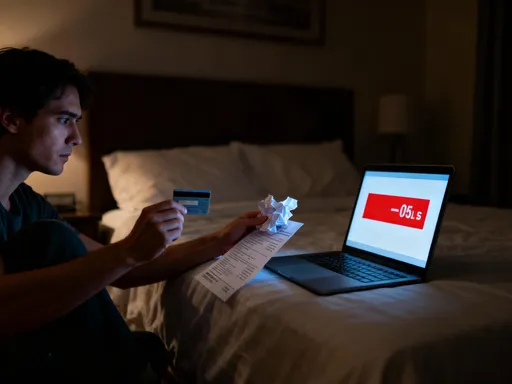
Ever looked at your credit card statement and felt that sinking feeling? I’ve been there—overspending, missing payments, drowning in confusion. Credit cards can be powerful tools, but without smart habits, they turn risky fast. In this article, I’ll walk you through the real risks many beginners overlook and share practical ways to use credit wisely. It’s not about fear—it’s about staying one step ahead. With clear strategies, realistic examples, and a focus on long-term control, you’ll learn how to build confidence in managing credit without anxiety. This isn’t about perfection; it’s about progress, awareness, and making choices that support your financial well-being.
The Hidden Trap of “Just One Swipe”
Many people begin their credit card journey with a simple mindset: “It’s just one swipe.” A coffee here, a meal out there, an online purchase after a long day—each seems small, harmless even. But what starts as convenience can quietly evolve into a financial burden. The danger isn’t in any single transaction; it’s in the accumulation of untracked charges that, over time, create a balance far larger than expected. Without a clear system to monitor spending, these small purchases become invisible debt, growing beneath the surface until the monthly statement arrives like an unwelcome surprise.
Psychologically, credit cards separate the act of buying from the act of paying. Unlike cash, where the physical exchange creates an immediate sense of loss, credit allows spending without that instant feedback. This disconnect can lead to overspending because the emotional weight of the purchase is delayed. Retailers and digital platforms often design experiences to encourage quick decisions, making it easier to justify small charges. However, when repeated across weeks and months, these “minor” expenses add up. A $15 lunch three times a week becomes over $180 a month—nearly $2,200 a year. When combined with other routine spending, the total can exceed what many people set aside for savings.
The real risk lies not in spending itself, but in the lack of awareness. Without regular tracking, it’s easy to lose sight of how much has been charged. Some cardholders only review their statements once a month, by which time the damage is done. By then, the ability to adjust behavior has passed. The key to avoiding this trap is recognition: understanding that every swipe carries weight, even if the cost isn’t felt immediately. Awareness is the first step toward control. Establishing a habit of checking spending weekly, setting low monthly limits, or using budgeting apps can help maintain visibility and prevent small charges from becoming large problems.
Why Minimum Payments Are a Slow Burn
When a credit card bill arrives with a high balance, the minimum payment option can feel like a relief. It’s a way to avoid late fees, keep the account in good standing, and buy more time. But this short-term comfort comes at a steep long-term cost. Paying only the minimum extends the repayment period dramatically, often stretching debt over years—even decades in extreme cases. What many cardholders don’t realize is that a large portion of those early minimum payments goes toward interest, not the principal. This means the balance decreases very slowly, while the total amount paid grows significantly.
Consider two individuals with the same $5,000 balance on a card with a 19.99% annual percentage rate (APR). One pays only the minimum, typically calculated as 2% of the balance or $25, whichever is higher. The other commits to paying $200 each month. The first person may avoid immediate penalties, but it could take over 20 years to clear the debt, costing more than $7,000 in interest alone. The second person, paying more than the minimum, would clear the balance in about 2.5 years and pay less than $1,200 in interest. That’s a difference of nearly $6,000—an amount that could cover a family vacation, a home repair, or a significant portion of an emergency fund.
The reason for this disparity lies in how interest compounds. Credit card interest is calculated daily based on the outstanding balance. As long as the balance remains high, interest continues to accrue, feeding itself. Minimum payments rarely reduce the principal enough to stop this cycle. Over time, the cardholder pays far more than the original purchase amount, turning everyday expenses into long-term financial obligations. The message is clear: minimum payments are not a sustainable strategy. They may prevent late fees, but they do not lead to financial freedom. To truly regain control, cardholders must aim to pay more than the minimum—ideally, the full balance each month.
Credit Scores: What They Really Mean for You
Your credit score is more than just a number—it’s a reflection of your financial behavior and reliability. Lenders, landlords, and even some employers use this score to assess risk and make decisions. A strong credit score can open doors: lower interest rates on loans, better credit card offers, easier rental approvals, and faster access to financing. Conversely, a low score can result in higher costs, rejected applications, and limited financial flexibility. Understanding how credit scores work is essential for anyone who wants to build long-term financial stability.
Several factors influence your credit score, but the two most impactful are payment history and credit utilization. Payment history accounts for about 35% of your FICO score and reflects whether you’ve paid bills on time. Even one late payment can cause a noticeable drop, especially if it’s reported to the credit bureaus. Credit utilization—the ratio of your credit card balances to your credit limits—makes up roughly 30% of your score. Experts generally recommend keeping utilization below 30%, with an ideal target of under 10% for the best results. For example, if you have a $10,000 credit limit, carrying a balance above $3,000 could start to hurt your score, even if you pay it off in full the following month.
Some people mistakenly believe that as long as they pay off their balance each month, their utilization doesn’t matter. However, credit card companies typically report balances to the bureaus on the statement closing date, regardless of whether the full amount is later paid. This means a high balance on that day can still negatively affect your score, even with responsible repayment habits. To manage this, some cardholders make multiple payments throughout the month or request a higher credit limit to lower their utilization ratio. Over time, consistent on-time payments and low utilization build a strong credit history, signaling to lenders that you are a trustworthy borrower. This reputation can save thousands of dollars in interest over a lifetime.
The Balance Transfer Game: Smart Move or Risky Gamble?
Balance transfer offers—especially those with 0% introductory APR for 12 to 18 months—can seem like a financial lifeline for someone carrying high-interest debt. On the surface, the math is appealing: move your balance to a new card with no interest for a limited time and pay it off without accruing additional charges. When used wisely, this strategy can save hundreds or even thousands of dollars in interest and accelerate debt repayment. However, balance transfers are not a magic solution. They come with risks and requirements that, if ignored, can lead to even greater financial strain.
First, most balance transfer cards charge a fee—typically 3% to 5% of the amount transferred. For a $5,000 transfer, that’s $150 to $250 in upfront costs. This fee must be factored into any savings calculation. Second, the 0% interest period is temporary. Once it ends, the standard APR applies to any remaining balance, which could be 19% or higher. If the cardholder hasn’t paid off the full amount by then, they lose the benefit and may end up in the same position as before. The real danger, however, lies in behavior. Some people transfer a balance and then continue using their old card, racking up new debt while the transferred amount sits untouched. This doubles the problem instead of solving it.
For a balance transfer to succeed, discipline and planning are essential. The cardholder must have a clear repayment plan—knowing exactly how much needs to be paid each month to clear the balance before the promotional period ends. They must also resist the temptation to spend on either card during this time. Automation can help: setting up automatic monthly payments ensures consistency. Additionally, the new card should be used only for the transfer, not for new purchases, unless those purchases can be paid off in full immediately. When executed with focus, a balance transfer is a powerful tool. But without a strategy, it’s merely a delay tactic that can deepen financial stress.
Setting Up Guardrails That Actually Work
Financial freedom doesn’t come from willpower alone—it comes from systems. Relying solely on self-discipline to manage credit is risky, especially during stressful or busy times. Instead, the most effective approach is to design habits and structures that support responsible use. These guardrails reduce the need for constant decision-making and help prevent costly mistakes. The goal is not to restrict freedom, but to create a framework that makes good choices easier and automatic.
One of the most effective tools is spending alerts. Most credit card issuers allow users to set up notifications for purchases above a certain amount, daily spending totals, or even every transaction. These alerts keep spending visible and immediate, reducing the chance of losing track. Another strategy is to use separate cards for different purposes. For example, one card might be dedicated to recurring bills like utilities or subscriptions, while another is used only for discretionary spending. This separation makes it easier to monitor categories and avoid mixing essential and non-essential charges.
The 24-hour rule is another useful habit: waiting one day before making any purchase above a set threshold, such as $100. This pause allows time to reflect on whether the purchase is necessary, affordable, and aligned with financial goals. Many impulsive buys lose their appeal after a night’s sleep. Additionally, setting a monthly spending limit—and sticking to it—creates a clear boundary. Some cardholders even request a lower credit limit to enforce discipline, reducing the temptation to overspend.
Automation is perhaps the most reliable guardrail. Setting up auto-pay for the full statement balance ensures that bills are paid on time, avoiding interest and late fees. As long as the checking account has sufficient funds, this system removes human error from the equation. Combined with regular statement reviews—ideally once a month—these systems create a sustainable approach to credit management. Over time, these habits become routine, reducing stress and building confidence in financial decisions.
When Emergencies Happen: Using Credit Without Crashing
Life is unpredictable. Car breakdowns, unexpected medical bills, or urgent travel for family reasons can arise without warning. In these moments, credit cards can serve as a valuable safety net, providing immediate access to funds when savings fall short. The key difference between responsible and problematic credit use lies in intention. Emergency spending is planned for the unexpected; impulsive spending is driven by desire or emotion. Understanding this distinction is crucial for maintaining control during stressful times.
When using credit for a true emergency, the focus should shift immediately to repayment. From the moment the charge is made, the cardholder should determine how and when the balance will be cleared. This might involve adjusting the budget, increasing income temporarily, or allocating future windfalls like tax refunds. The goal is to treat the charge as a short-term loan, not an extension of income. Without this mindset, emergency use can quickly spiral into ongoing debt, especially if multiple unexpected expenses occur in a short period.
To reduce reliance on credit in crises, it’s wise to build an emergency fund—even if it starts small. Setting aside $20 or $50 a month creates a buffer over time. Once the fund reaches $500 or $1,000, it can cover many minor emergencies without needing to use a card. For larger issues, having even a partial fund reduces the amount that must be borrowed. Credit should complement, not replace, savings. Additionally, keeping one card with a high limit and low APR specifically for emergencies—used only for that purpose—can provide peace of mind without encouraging misuse.
The reality is that everyone faces unexpected costs. The goal isn’t to avoid using credit entirely, but to use it strategically and with a clear exit plan. By combining emergency savings with disciplined credit use, individuals can navigate crises without derailing their financial progress.
Building a Healthier Relationship with Credit
The journey to financial confidence isn’t about eliminating credit—it’s about redefining it. Credit cards are neither enemies nor free money. They are tools, and like any tool, their value depends on how they’re used. When approached with knowledge, intention, and structure, credit can support financial goals rather than hinder them. The shift from stress to control happens when habits replace reactions, and awareness replaces guesswork.
Tracking usage is a cornerstone of this transformation. Regularly reviewing statements—monthly, at minimum—helps identify spending patterns, detect errors, and celebrate progress. Seeing a declining balance or a low utilization rate can be motivating. Some people even set small rewards for reaching milestones, like paying off a certain amount or maintaining on-time payments for six months. These positive reinforcements build long-term commitment.
Equally important is mindset. Instead of viewing credit as a source of anxiety, it can become a symbol of responsibility. Each on-time payment, each avoided impulse buy, each cleared balance is a step toward greater freedom. Over time, this builds financial resilience—the ability to handle both routine expenses and unexpected challenges without panic. Risk management isn’t about fear; it’s about preparation, education, and consistent action.
In the end, staying in control isn’t about perfection. It’s about progress. It’s understanding that mistakes may happen, but systems and habits make recovery faster and easier. By focusing on what you can control—spending, payment timing, utilization, and long-term planning—you take power back from the statement. Credit doesn’t have to be stressful. With the right approach, it can be a quiet ally in building a stable, confident financial life.